

A peel matched to your skin — not pulled from a default shelf. You'll flake quietly for a few days, then watch brighter, more even skin surface underneath.
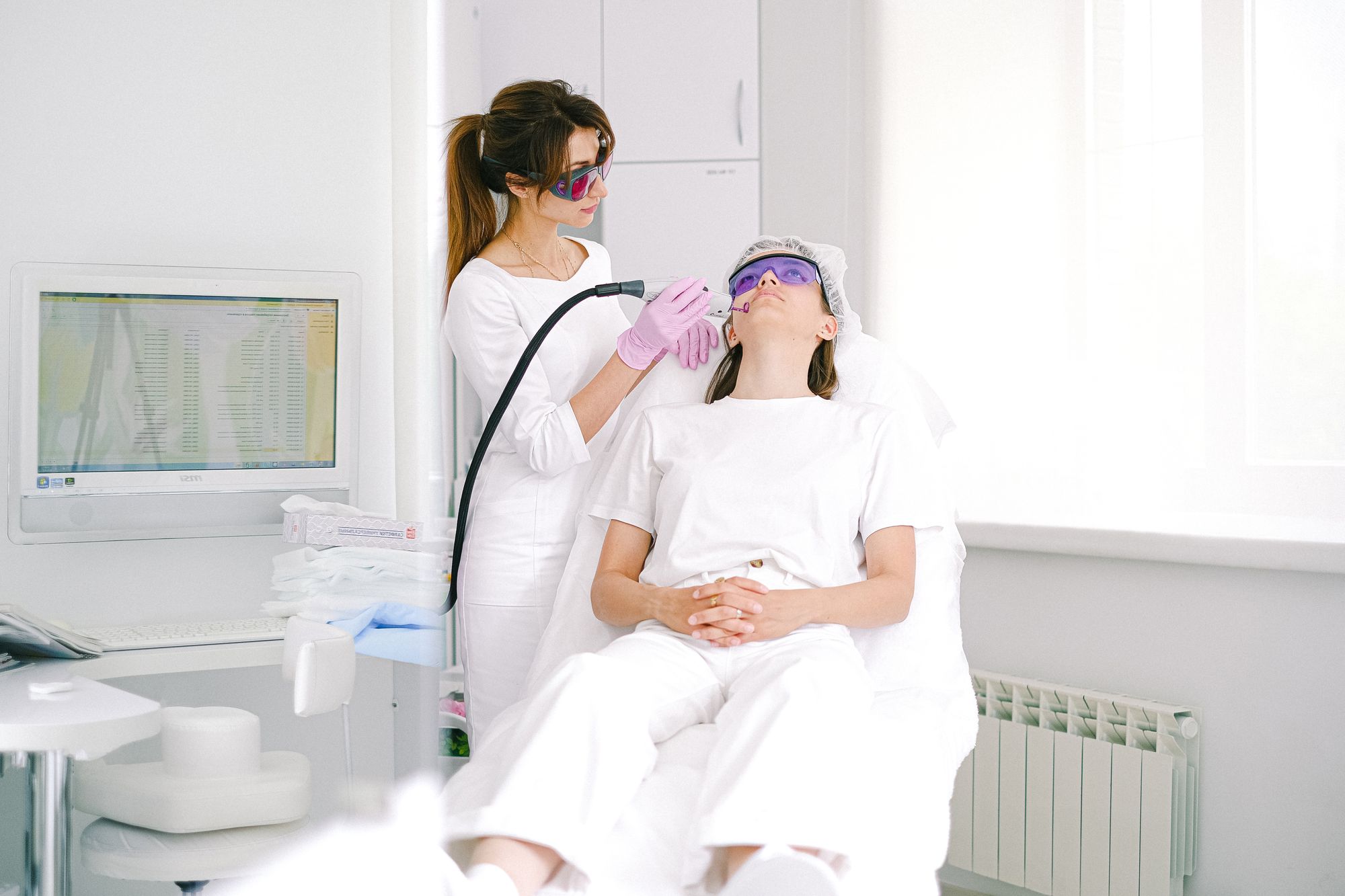
You arrive, we look at your skin today — not at last month's notes — and pick the formulation that fits. 30 to 45 minutes in the room. You leave looking flushed, not raw.
Strength is dialed in on the spot: a gentle enzyme blend if you have a weekend wedding, something deeper if you're ready to commit to a few days of quiet flaking. Your skin type, your concern, your calendar.
Over the next 3 to 7 days the old surface lifts away and fresher, more even skin rises underneath. Most of the work happens at home, while you're doing nothing.
Treated areas · Face · Neck · Décolleté · Hands
Who it helps.
The kind of glow you used to get from a vacation, a few good nights of sleep, and being twenty-eight — only this time it's coming from underneath.
The dull, rough surface lifts off and the skin underneath actually feels different — primer sits better, makeup stops settling into texture.
A light refresh before an event, or something deeper when you're ready for real correction. The choice is made with you, in the room.
Sun damage, leftover acne marks, that uneven patch you catch in the rearview — they fade as the series builds.
The honest version — comfort, downtime, and what the week after really looks like.
Most patients describe it as a brief tingle or warmth — a few minutes of active feeling, then it settles. We work in layers and check in as we go, so if your skin is asking us to slow down, we slow down.
It depends on the strength we pick. A light enzyme refresh may give you nothing more than a hint of dryness; a medium peel typically means 3 to 5 days of fine, quiet flaking around the mouth and cheeks. Nothing dramatic — concealable with moisturizer and a hat.
A gentle peel can be done 5 to 7 days before an event for fresh glow. A deeper peel should land at least 10 to 14 days out so the flaking is fully behind you. Tell us your calendar and we'll match the formulation to it.
For real change in tone, texture or pigment — usually a series of 3 to 6, spaced 3 to 6 weeks apart. For maintenance, one every season tends to hold the result.
Yes — with the right formulation. Some acids carry more pigment risk than others, so we choose specifically for your skin type and concern. If melasma is in the picture, we approach it more conservatively and pair the peel with at-home support.
No sun, no sweat, no actives for about a week — no retinol, no acids, no scrubs. SPF 30+ every morning is non-negotiable while the new skin is fresh. Picking at the flaking is the one thing that can leave a mark.
Your peel begins with a skin consult so the formulation, strength, and series cadence are matched to your skin — not pulled from a default shelf.

Plus: how we’d use a summer with the schedule on your side. One page, refreshed each month.
Read this month →